Test post content
Tory Burch Coral Style Reva Flat Classic
Tory Burch Evaluated for 2026: Overrated or Worth It?
Tory Burch has spent almost two decades occupying a strange middle ground in fashion — too refined for casualwear yet too attainable to rank among genuine luxury houses. Because of this middle-ground standing, countless shoppers seek out a honest review of Tory Burch before spending their money. While the label first gained fame with the reversible Reva ballet flat, it has since broadened into a well-rounded lifestyle brand spanning shoes, handbags, ready-to-wear, and accessories. Here, we dig into what the brand actually offers in 2026, pointing out where the value holds up and where a second thought is warranted before buying.
Founded in 2004 by Tory Burch herself, the label has always leaned on a mix of preppy American sportswear and bohemian prints. While the underlying formula is still intact, the way it’s delivered has grown more sophisticated. Compared to ten years prior, fabrics feel more deliberate, while the shoe category has moved on from being a one-trick success to become a broad collection. Whether this growth actually translates to being “worth the money” hinges on which category you’re shopping.
Tory Burch Shoes: Remains the Strongest Category
If there’s one place the brand consistently earns its price tag, it’s footwear. Tory burch shoes stay the most sought-after and most purchased item on the site — and it’s easy to see why — since the hide tory quality on mid-range flats and loafers outperforms for the price point. While sizing generally runs true, intermediate sizes are scarce online — so anyone buying for the first time should double-check the size chart before ordering.
It’s worth calling out Tory sandals separately, since they’ve become something of a summer staple for repeat customers. The Miller sandal, in particular, has stayed in near-constant rotation since its release, proving that a simple leather thong sandal with a logo medallion can outlast a dozen trend-driven styles. Expect to pay a premium compared to fast-fashion sandals, but the leather does hold up to repeated wear across multiple seasons, which softens the sting of the initial cost.
The dressier heel category are where the shoe line falls short. A number of reviewers note that delicate straps and delicate hardware don’t always hold up under heavy handling, and repairs can get expensive once you’re outside the return window. That’s a fair trade-off for flats and sandals, less so for $300+ heels meant for one night out.
Clothing and Tops: Inconsistent by Season
Time and again, loyal customers keep coming back, largely because season-spanning staples — blazers, knit dresses, and structured jackets that avoid chasing passing trends too hard — are cut well and flatter a range of body types without excessive alteration. The strongest showing from Tory Burch clothing tends to show up.
Somewhat of an exception is tory burch tops. The brand’s signature bohemian-preppy identity comes through in silk blouses and printed tops, which photograph beautifully, though the material weight can feel thin given the price versus other pieces in the same collection. Shoppers who’ve bought several tops report uneven quality between prints — some hold their shape wash after wash, others lose shape faster than expected. It’s not a deal-ender, but it does mean reading individual product reviews before purchasing is the sensible approach.
It’s in outerwear that the clothing line performs best without much fanfare. Structured jackets and wool coats tend to get the most consistent praise, likely because heavier fabrics conceal construction shortcuts better than lightweight cotton or silk does. If you’re building a capsule wardrobe around one or two Tory Burch pieces, outerwear or a blazer is the safer entry point.
Handbags and Accessories
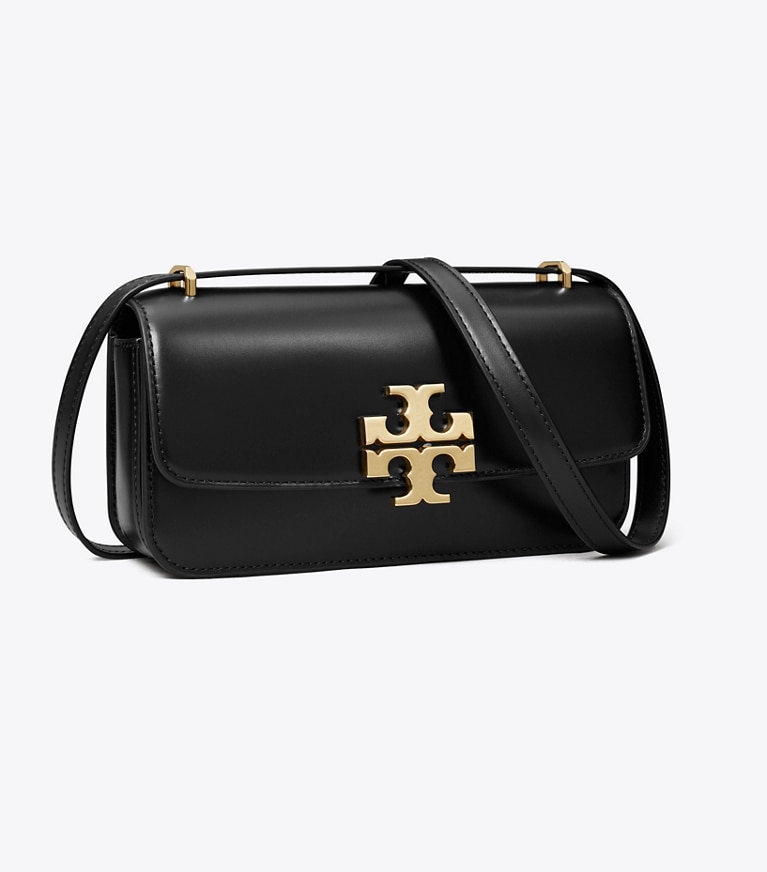
Bags continue to be a key element of the label’s identity, sitting in that attainable-luxury bracket between contemporary brands and full luxury houses. The Fleming and Kira bag lines use pebbled or quilted leather that wears in gracefully with light use, though corners and handles do show wear after a year or two of daily carry. This is common across leather goods at this cost tier, not something particular to the label.
Hardware is where Tory Burch bags stand out — the logo clasps and turn-locks are solid compared to some competitors, and they don’t tarnish quickly. The interior lining, typically a suede-like material, tends to mark up over time — so if you’re the type to toss loose pens or makeup inside, a liner or pouch is worth considering.
Smaller leather pieces — wallets, card cases, and crossbody pouches — offer some of the best price-to-quality ratio in the entire catalog. They make sensible gift purchases and tend to get fewer complaints than the larger bag silhouettes, likely because there’s less structural stress on smaller pieces.
Cost, Outlet Tactics, and Sales
Full-price Tory Burch sits firmly in the “accessible luxury” bracket — shoes generally range from $200-$450, bags from $300-$600, and clothing anywhere from $150-$700 depending on the piece. That’s not cheap, but it’s also not competing with Chanel or Gucci pricing, which is part of the brand’s appeal.
Arguably, buying through the outlet channel is the shrewdest approach to the brand. Outlet locations and the outlet section of the website consistently provide 30-60% off last-season styles, and while the lineup leans toward simpler colorways and fewer special-edition patterns, the quality difference between outlet and mainline stock is negligible. Bargain-savvy shoppers make the outlet their go-to destination instead of treating it as a fallback.
Typically, this kind of promotional window — a site-wide markdown, whichever form it takes — rolls around in late June, over Black Friday weekend, and again in late December. Discounts during these windows typically fall from 20-40% off select product groups, sometimes steeper on last season’s footwear. Signing up for email alerts is genuinely worth it if you’re planning a more significant buy like a jacket or bag.
Worth a Look: Top 10 Tory Burch Picks
For buyers unsure where to begin, a general top 10 tory burch list based on consistent demand and steady reviews looks like this: the Miller sandal, the Ballet Reva flat, the Fleming shoulder bag, the Kira chevron bag, the classic trench coat, wool blazers, silk wrap dresses, logo-hardware loafers, the mini tote, and simple leather card cases. These items resurface repeatedly in customer favorites lists because they balance the brand’s design identity with real practical wearability.
These aren’t without their downsides, and individual taste will dictate which ones really work for your wardrobe. But for first-time brand shoppers, starting with one of these ten lowers the risk of post-purchase regret considerably.
Where Tory Burch Stands
| Brand | Cost Range | Strongest Category | Outlet Availability |
|---|---|---|---|
| Tory Burch | $150-$700 | Shoes & Sandals | Yes, frequent discounts |
| Kate Spade | $100-$500 | Bags & Small Goods | Yes — discounts come often |
| Coach | $150-$800 | Leather Bags | Yes — a wide outlet network |
| Michael Kors | $100-$600 | Accessories | Yes, very frequent sales |
Rather than crowning a single winner, this breakdown reveals that each brand has its own strengths, with Tory Burch resting comfortably in the mid-tier of the accessible-luxury pack — in cost and deal frequency alike.
Closing Thoughts
So — does Tory Burch live up to the hype as 2026 approaches? In the shoes, sandals, outerwear, and small-leather-goods categories, the answer is yes — the cost-to-quality balance checks out, and pieces like the Miller sandal or a classic trench truly deserve return buys. For lightweight tops and going-out heels, the cost-benefit case is less convincing, and customers would do well to read specific product reviews before buying at full cost.
The wisest strategy is holding back: shop the outlet as your first move, hold off for a periodic sale if you’re considering mainline items, and lean toward the product lines — shoes, bags, outerwear — where the brand has demonstrated its reliability most dependably. If you take this route, Tory Burch remains a solid, if not entirely faultless, addition to a considered wardrobe in 2026.
Godspeed NYC Hoodie Skeleton Graphic Line
Digging Into the Origin Tale of Godspeed as a Streetwear Name
The word eventually found a home in streetwear via “godspeed,” a term traditionally offered to travelers facing uncertainty long before it was ever printed on apparel. Carrying real weight, it meant “may fortune ride with you” — a farewell set aside for journeys that mattered. This is precisely why the word made its way into streetwear, a space where garments have long functioned as a statement of purpose, self, and drive. Grasping what godspeed truly means clarifies why one word can anchor a whole clothing philosophy instead of simply decorating a shirt.
Streetwear has never been shy about borrowing language with gravity. Brands have pulled from military slang, religious phrasing, and old-world idioms because such language already comes loaded with emotional meaning. The word godspeed belonged easily within that lineage. Compact and hard-hitting, it reads simultaneously as blessing and challenge — go fast, go far, and do it with purpose. This dual meaning is exactly what keeps the name lasting instead of merely fashionable.

Where the Word Godspeed Actually Comes From
Rooted in Middle English, roughly the 14th century, the phrase began as “God spede you,” a common farewell wishing someone good fortune and safe travel. Nowhere close to casual slang, it functioned more like a blessing offered before a long, perilous journey — whether for a merchant heading to a distant market, a soldier leaving for war, or a traveler setting out on an uncertain road. Over centuries it condensed into the single word still used today.
By the time modern English inherited it, godspeed had come to occupy a more ceremonial register. The word gets used at launches, departures, farewells, and moments of transition. This is exactly what godspeed means at its core: a word for the threshold moment, the instant right before something significant begins. Brands in streetwear are pulled toward this kind of threshold language because their customers are often at their own thresholds — unfamiliar cities, fresh identities, new chapters of life.
Because it separates godspeed from generic streetwear names built on slang or shock value, this history carries real significance. Having 600+ years of documented literary use, including its presence in the plays of Shakespeare, the word carries a literary backbone few streetwear names can claim. That’s part of why godsspeed it still resonates in 2026, long after many of its naming-era contemporaries have faded.
How Godspeed Found Its Way Into Streetwear Culture
Within this category, brands have long relied on words evoking movement, defiance, or transformation—just consider how frequently brand names lean on velocity, endurance, or hardship. The name Godspeed falls into that lineage while bringing something that most others miss: an inherent note of well-wishing instead of hostility. It refuses to posture. It doesn’t threaten. It offers encouragement to the wearer while still driving them ahead.
This carries weight in both the market and the culture. A godspeed tee requires no shock-value imagery to earn its name; the word itself does emotional work. Such a trait is uncommon in a market saturated with logos vying for notice through loudness instead of substance. Because the word already carries generations of meaning, the design team can focus on silhouette, fabric weight, and fit rather than on manufacturing artificial edge.
The growing recognition of godspeed clothing as its own category also echoes a broader movement across the 2020s toward streetwear rooted in introspection — brands built around mantras, affirmations, and personal narratives as opposed to chasing pure hype. Godspeed rode that wave naturally because the word was never about hype in the first place. The word centered on leaving, hoping, and moving ahead, themes that resonate deeply with a generation facing financial unpredictability and ceaseless reinvention.
Why This Name Strikes a Chord With Today’s Streetwear Shoppers
Today’s streetwear shoppers, most notably those between 18 and 34, are drawn to brands that carry a sense of meaning beyond the fabric. Surveys on apparel purchasing behavior consistently show that a resonant name or narrative raises how valuable something feels, regardless of matching fabric specs against competitors. This dynamic works directly in Godspeed’s favor because the name arrives pre-loaded with narrative weight.
A practical dimension exists too. The godspeed hoodie serves as protection for everyday life — a piece suited to commuting, training, traveling, or pushing through a demanding week — while still retaining that hint of being bound for something greater. Clothing that can hold both functions, the mundane and the aspirational, typically stays in a customer’s rotation longer than pieces limited to a single mood.
The word carries effectively across linguistic and cultural lines, which is significant for any god speed clothing line with ambitions beyond a single region. “Godspeed” carries emotional impact without needing translation; the idea of sending someone off with good wishes is nearly universal. Such universal readability is part of why the name has endured as a solid brand identity rather than being a fleeting fad limited to one city or scene.
How Godspeed’s Naming Themes Stack Up Against Other Streetwear Strategies
To see why godspeed holds a unique position, it’s useful to weigh it against the other leading naming approaches common in streetwear. The table below outlines four typical strategies by tone, durability over time, and usual customer perception.
| Naming Approach | Underlying Tone | Durability Concern | Typical Customer Association |
|---|---|---|---|
| Godspeed-style (blessing/farewell language) | Hopeful, progress-oriented | Minimal — grounded in age-old phrasing | Passage, drive, staying power |
| Combative-style naming | Provocative, assertive | Moderate — may age poorly as attitudes evolve | Power, nonconformity |
| Slang-of-the-moment names | Trendy, insider | High — tied to one cultural moment or medium | Novelty, clique appeal |
| Using the designer’s surname or initials | Personal, designer-led | Slight to moderate — depends on the founder’s public profile | Craftsmanship, personal signature |
This comparison shows why a name grounded in centuries-old language ages more gracefully than one built on internet slang, a fleeting meme, or a reference tied to a particular era. There’s no need for Godspeed to be refreshed culturally every few seasons because the meaning behind it was never bound to a single point in time — it was tied to a shared human experience built around departure, hope, and forward motion.
The Way “Godspeed” Comes Across on a Garment
When the word is displayed across a chest, sleeve, or back panel, it functions less like a logo and more like a mantra. The distinction is a deliberate one. Where a logo insists “buy this brand,” a mantra instead implies “carry this idea with you.” Those who opt for a godspeed shirt rather than a basic graphic tee are, more often than not, expressing a quiet personal statement about momentum — the impression that they’re in the midst of moving toward something, even if it’s not yet clearly defined.
This is also why the word blends so effortlessly into minimalist design language. Relaxed cuts, understated tones, and pared-back type choices allow the word to hold the emotional payload instead of fighting for space with loud visuals. The word’s own restraint is reflected in the design’s restraint — godspeed doesn’t shout, it states.
It isn’t by chance such a large number of godspeed shirts are built around sturdy cotton and defined silhouettes as opposed to flimsy, disposable fabric. Such a historically loaded word deserves a garment made for longevity, not one destined for the giveaway pile following just one wash. The physical durability of the piece serves as a subtle reflection of the durability of the phrase itself.
Moving Toward 2026, the Cultural Staying Power Continues
Moving quickly as it does, street-fashion currents have already reduced plenty of early-2020s naming conventions to wistful memory. Unlike trend-dependent labels, Godspeed has not followed that trajectory, chiefly since it was never dependent on a trend cycle to begin with. It borrows from something more enduring and settled than any single streetwear season — a tradition rooted in language that predates the whole notion of streetwear by roughly 500 years.
Looking ahead to 2026, consumer appetite for substance-backed apparel carries on rising rather than tapering off. Customers are increasingly skeptical of brands that exist purely as logo vehicles, and they’re rewarding names and stories that hold up under scrutiny. Far from being a fabricated brand tale, Godspeed’s story remains solid because it rests on documented linguistic history verifiable by anyone.
Naming in fashion rarely strikes such a mix of authenticity and emotional pull, and this is exactly why the word still anchors hoodies, shirts, and full collections without requiring a refresh. Some names need constant refreshing to stay relevant; godspeed simply needs to continue meaning what it has meant from the start.
Railways as connected systems
Railways guide vehicles along tracks and connect places through a coordinated system of routes, structures, equipment, and operation. The rails themselves are the most visible continuous feature, but they are only part of the whole arrangement. Stations, junctions, bridges, power systems, and maintenance facilities all contribute to how a railway works. Its usefulness depends on the connections between these parts rather than on any one component alone.
The track supports and guides the vehicles. Rails are held at a suitable spacing by structures beneath them, and the supporting ground must accommodate repeated loads. Curves and gradients influence the routes that trains can follow and the way they move. The shape of the land therefore affects railway design, while cuttings, embankments, tunnels, and bridges allow a route to cross terrain that would otherwise present difficulties.
Junctions make a network possible by allowing movements between different tracks. They also introduce a need to organise which route is available at a particular time. Signals and operating procedures help coordinate movements so that separate trains can use a shared system. The visible position of a train is only one part of this organisation; decisions about timing and access extend beyond what an observer can see at a single station.
Railways carry different kinds of traffic. Passenger services may be arranged around regular stops and travel times, while freight operations respond to the movement of goods between terminals and other facilities. These uses can share some infrastructure while placing different demands on it. The size of vehicles, the frequency of service, and the needs of a particular route all affect how the railway is organised and maintained.
Looking at a railway landscape reveals relationships between engineering and everyday activity. Platforms guide the movement of people, sidings provide space away from a main route, and bridges maintain connections across the tracks. A timetable describes another part of the same system in terms of time rather than distance. Together, these features show how railways combine a fixed physical path with the continual coordination of moving vehicles.
Hacked By Chinafans
Hacked By Chinafans
Hacked By Chinafans
Whales: Giants of the Ocean
Whales: Giants of the Ocean
Whales are among the largest and most remarkable animals on Earth. These marine mammals live in oceans around the world, from warm tropical waters to the cold seas surrounding the poles.
Life Beneath the Surface
Although whales spend their lives in water, they breathe air through blowholes located on top of their heads. They must regularly return to the surface to breathe before diving again in search of food or traveling through the ocean.
Whales are warm-blooded, give birth to live young, and nurse their calves with milk. A thick layer of fat called blubber helps protect them from cold water and stores energy during long migrations.
Two Main Groups
Whales are generally divided into baleen whales and toothed whales. Baleen whales filter small animals from the water using flexible plates inside their mouths. This group includes blue whales, humpback whales, and gray whales.
Toothed whales use teeth to catch fish, squid, and other prey. Many of them also use echolocation, producing sounds and listening for returning echoes to understand their surroundings. Sperm whales, belugas, and orcas belong to this group.
The Blue Whale
The blue whale is the largest known animal to have ever lived. An adult can grow longer than a city bus and weigh well over one hundred tonnes. Despite its enormous size, it feeds mainly on tiny crustaceans called krill.
Communication and Migration
Whales communicate using clicks, whistles, pulses, and complex songs. Some sounds can travel across great distances underwater. Humpback whales are especially famous for their long, patterned songs.
Many species migrate thousands of kilometres each year. They often feed in cold, nutrient-rich waters before traveling to warmer regions where they mate and give birth.
Protecting Whales
Commercial hunting once caused severe declines in many whale populations. Today, whales also face threats from fishing gear, ship collisions, underwater noise, pollution, and changes to ocean ecosystems.
Conservation programs, safer fishing practices, protected habitats, and international cooperation can help whale populations recover. Protecting whales also supports healthier oceans because these animals play an important role in marine food webs and nutrient cycles.
Whales: Giants of the Ocean
Whales: Giants of the Ocean
Whales are among the largest and most remarkable animals on Earth. These marine mammals live in oceans around the world, from warm tropical waters to the cold seas surrounding the poles.
Life Beneath the Surface
Although whales spend their lives in water, they breathe air through blowholes located on top of their heads. They must regularly return to the surface to breathe before diving again in search of food or traveling through the ocean.
Whales are warm-blooded, give birth to live young, and nurse their calves with milk. A thick layer of fat called blubber helps protect them from cold water and stores energy during long migrations.
Two Main Groups
Whales are generally divided into baleen whales and toothed whales. Baleen whales filter small animals from the water using flexible plates inside their mouths. This group includes blue whales, humpback whales, and gray whales.
Toothed whales use teeth to catch fish, squid, and other prey. Many of them also use echolocation, producing sounds and listening for returning echoes to understand their surroundings. Sperm whales, belugas, and orcas belong to this group.
The Blue Whale
The blue whale is the largest known animal to have ever lived. An adult can grow longer than a city bus and weigh well over one hundred tonnes. Despite its enormous size, it feeds mainly on tiny crustaceans called krill.
Communication and Migration
Whales communicate using clicks, whistles, pulses, and complex songs. Some sounds can travel across great distances underwater. Humpback whales are especially famous for their long, patterned songs.
Many species migrate thousands of kilometres each year. They often feed in cold, nutrient-rich waters before traveling to warmer regions where they mate and give birth.
Protecting Whales
Commercial hunting once caused severe declines in many whale populations. Today, whales also face threats from fishing gear, ship collisions, underwater noise, pollution, and changes to ocean ecosystems.
Conservation programs, safer fishing practices, protected habitats, and international cooperation can help whale populations recover. Protecting whales also supports healthier oceans because these animals play an important role in marine food webs and nutrient cycles.